


T9HC vs THC: Key Differences
|
|
Time: 8 min
Product Finder
Find Your Nine Realms Match
Answer 5 quick questions to find your perfect cannabinoid product.
How familiar are you with cannabinoid products?
What kind of product are you looking for?
Where and how do you usually use cannabis?
What kind of effect are you looking for?
When should it kick in, and how long should it last?

Welcome to
Nine Realms
Our store is intended exclusively for people 18 years of age or older. Please confirm your age to continue.
By clicking here, you agree to our Terms and Conditions and Privacy Policy.
|
|
Time: 8 min
Understanding T9HC vs THC is essential for people who want to stay up to date on the constantly changing world of cannabinoids. These two chemicals are alike in some ways, but they are also different in ways that will change how you feel. T9HC and THC are different in terms of their chemical structures and the laws that apply to them. They also have different effects on your body and can be found in different places. This guide covers the science, the user experience, and the problems that happen in real life so you can make smart choices.
Table of Content
TL;DR: T9HC and THC are both cannabinoids that change the mind, but T9HC might be smoother because of how it is made. In Germany, THC is still very tightly controlled, but T9HC is in a legal grey area.
To understand the T9HC meaning and how it is different from THC, we need to look at the molecules. The two substances work differently because their chemical structures are a little different.
People know a lot about the molecular structure of THC, especially Delta-9 THC. This affects how it works in your body. There are some small changes to the structure of T9HC, like how the rings are arranged and where the carbon is. Cannabinoids are like keys that unlock cannabinoid receptors, which are like locks. Even small changes to the shape of a key can make it harder to open a lock.
These changes to T9HC's structure alter its receptor behaviour, which means it doesn't bind to cannabinoid receptors the same way THC does. The result is a different psychoactive profile. T9HC is not a fake THC or a type of cannabis that scientists make in a lab. It is a cannabinoid that has been changed in its structure and comes from hemp plants. It does things in its own way.
The chemical differences between T9HC and THC have real-world effects. The shape of molecules affects how quickly they get through the blood-brain barrier, how strongly they activate receptors, and how the liver breaks them down. People say they feel the T9HC effect because of how these things work together.
Being aware that T9HC and THC are not the same thing can help you set goals that you can actually reach. They both make you feel high, but in very different ways.
The endocannabinoid system does a lot of different things in the body. T9HC and THC mostly work with it through the CB1 and CB2 receptors. But the receptor behaviour works in very different ways.
Delta-9 THC has a big effect on CB1 receptors, which are mostly found in the brain and central nervous system. This strong binding gives you the classic THC high, which makes you feel very happy, makes your senses sharper, and changes the way you think. THC also changes how the body fights infections and inflammation by affecting CB2 receptors in a different way.
T9HC binds to CB1 receptors with moderate affinity, employing a distinct mechanism compared to THC. The way the receptors work together could change when the experience starts and how it feels overall. People who use this new cannabinoid say that T9HC psychoactivity has smoother edges than THC, but both still get you high. The table below shows how these cannabinoids change how your body works:
Aspect |
THC |
T9HC |
CB1 binding strength |
Strong agonist |
Moderate to strong, different binding pattern |
Typical onset |
5–15 minutes (inhaled) |
Similar, potentially slightly varied |
Reported experience |
Intense cerebral high |
Often described as smoother, more balanced |
Duration |
2–4 hours typical |
Similar range, user-dependent |
Metabolic pathway |
Well-documented |
Less studied, potentially different |
These differences in receptor behaviour help us understand why two chemicals that are very similar can have very different effects.
When people compare T9HC vs THC, they often want to know how strong each one is. People want to know how strong are T9HC effects compared to THC.
T9HC is not stronger than THC in most tests. But the potency comparison shows it falls in a similar category, which means it really does have effects on the mind that you should pay attention to. One reason these chemicals are compared in terms of strength is because of how they are packaged:
There haven't been many long-term studies on this cannabinoid yet, so you should know that before you try it. When someone is new to something, they should always start with small amounts of it. Some people can handle more than others, so what feels mild to one person may feel strong to another.
There isn't a lot of research on T9HC, so that doesn't mean it's dangerous, but you should still be careful when you use it. You will learn how your body works better if you take your time getting to know it.
Scientists are still looking into T9HC, but user reports tell us a lot about how these chemicals work in the real world. But it's important to get to know what people who have already used these two compunds have to say.
People who have used T9HC say things like this:
A lot of people who use THC say:
A lot of people in Germany choose T9HC products because of the legal status differences. Some people who have used cannabinoids before say they like T9HC better because it has a smoother profile.
Sometimes, the T9HC effect can help people who want to feel high but not as strongly as THC.
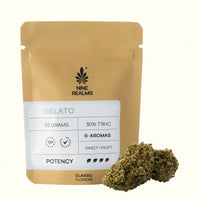
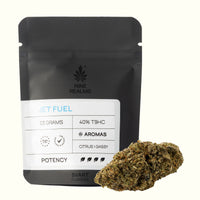
Different kinds of products also give you different experiences. The T9HC flower smells good and feels natural. Vapes are the quickest and easiest for the body to absorb.
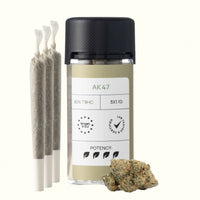
A joint is a way to smoke with other people that has a predictable start time. Gummies last a long time, but they don't work as quickly. Some events and people do better with some formats than others.
The law is one of the biggest differences when comparing T9HC vs THC in Germany and Europe. So we always suggest people to double-check their local laws before placing an order for any cannabinoid.
Many people in Europe still recognise that Delta-9 THC is a controlled substance. You can only sell it in Germany for medical reasons, and you have to follow strict rules to do so. It is still illegal to use cannabis for fun as of 2025, but people are still talking about it. Outside of medical settings, it is against the law to sell or own THC products.
T9HC is different because it comes from legal hemp sources. If T9HC is made from hemp that has less than 0.3% THC (or limits that are specific to the region), it is not explicitly scheduled under German narcotics law. Many people refer to this as a regulatory grey area.
They didn't anticipate semi-synthetic cannabinoids made from legal hemp when they made the current drug schedules. This is why the grey area exists. But this could change as regulators respond to changes in the market. Products still have to follow EU hemp rules, and it's still important to have third-party testing to make sure they are safe and follow the rules.
The comparison of T9HC vs THC reveals two related cannabinoids that are not the same. They have different chemical structures, interact with receptors in different ways, and have different legal positions. A lot of people say that T9HC gives them a smoother experience than regular THC. On the other hand, THC has strong effects on the brain that people have been having with cannabis for decades.
We at Nine Realms think you need to know these differences very well in order to make smart decisions. There is no natural difference in quality between the two compounds. Your health goals, your legal situation, how much you can handle, and what you like will all affect what is best for you.
To use cannabinoids safely, you should always stay informed about what's going on with them. It's still very important to get any cannabinoid from a good source, take the right amount, and pay attention to how you feel.
"THC shows you the peak — T9HC teaches you the path."
Most people don't believe that T9HC is stronger than Delta-9 THC. Most users report that the intensity is about the same or a little less. How strong a product seems depends on how much you can handle, what kind of product it is, and your own biochemistry. Both of these chemicals are fully psychoactive, so you should be careful when you use them.
T9HC comes from legal hemp sources and isn't explicitly listed in German drug schedules, so it's in a legal grey area. THC, on the other hand, is a substance that is specifically controlled. You should keep up with the laws because they might change as officials learn more about new cannabinoids.
It might happen. T9HC has a structure that is similar to THC, so it might produce metabolites that drug tests look for when they screen for THC. You should think about this before using T9HC products if you are worried about drug testing at work or for other reasons.
Author: Edijs Eleksis
Growing up in a country where cannabis was stigmatized and even shamed, Edijs faced many roadblocks to get to enjoy the benefits of this plant. However, as more countries worldwide are opening up to the idea of cannabis-available society, Edijs is inspired to take on a mission: spreading awareness about cannabis and its industry in Europe through engaging, educational blog content. Because only with more information, humans as a collective, can make decisions that are better for all of us!


